




MUSCAT, OCT 8
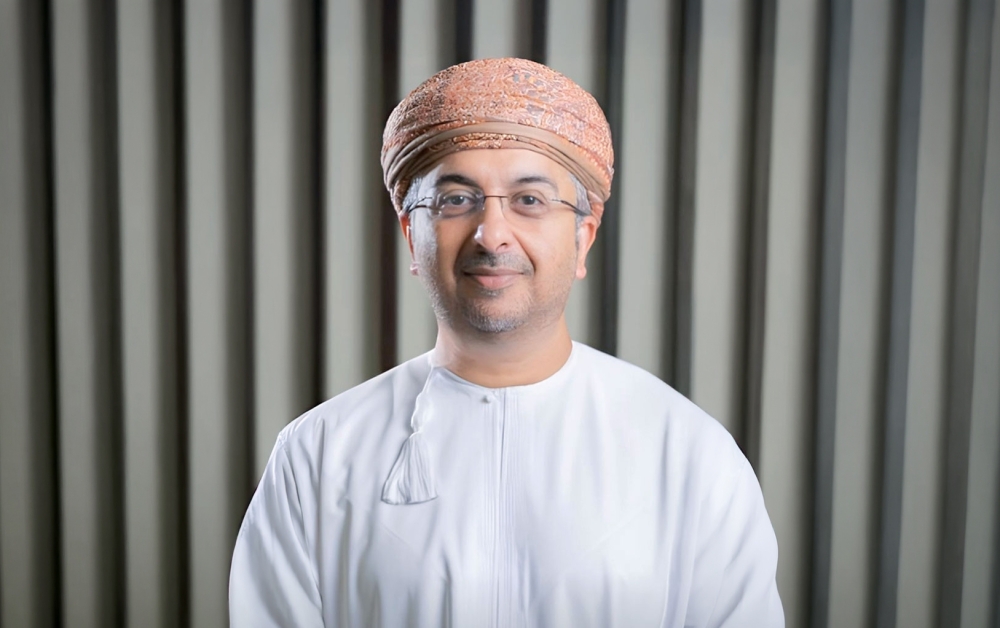
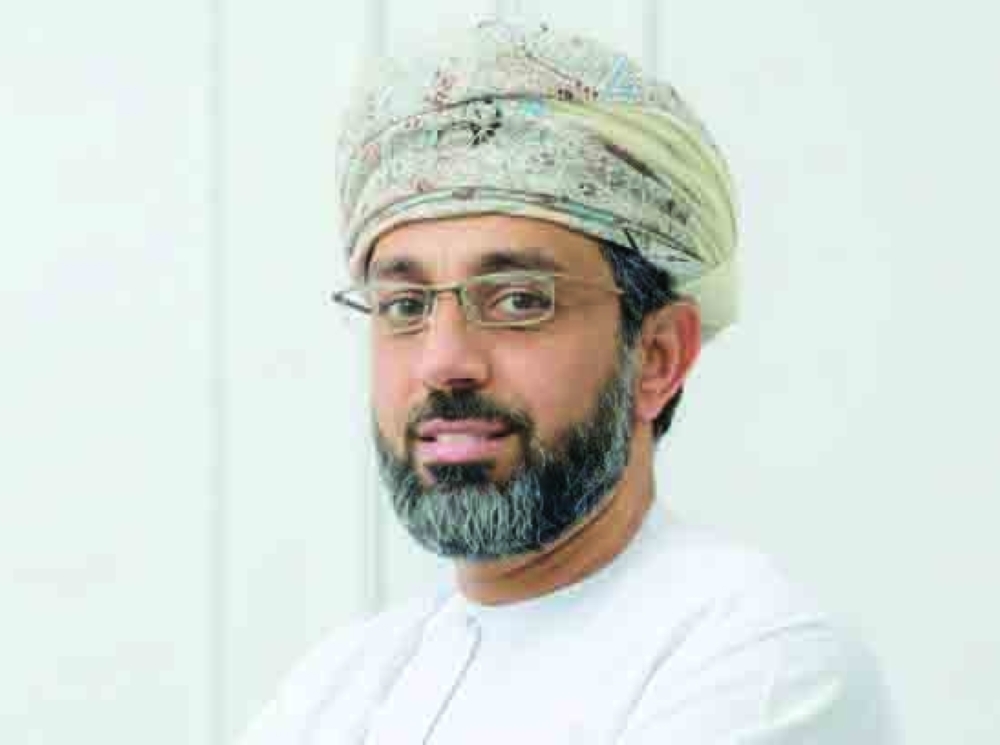
The National Space Programme is entering an important new phase, moving from planning and foundation-building to implementation, commercialisation and scaling up, according to Dr Saud al Shoaili, Head of the National Space Programme.
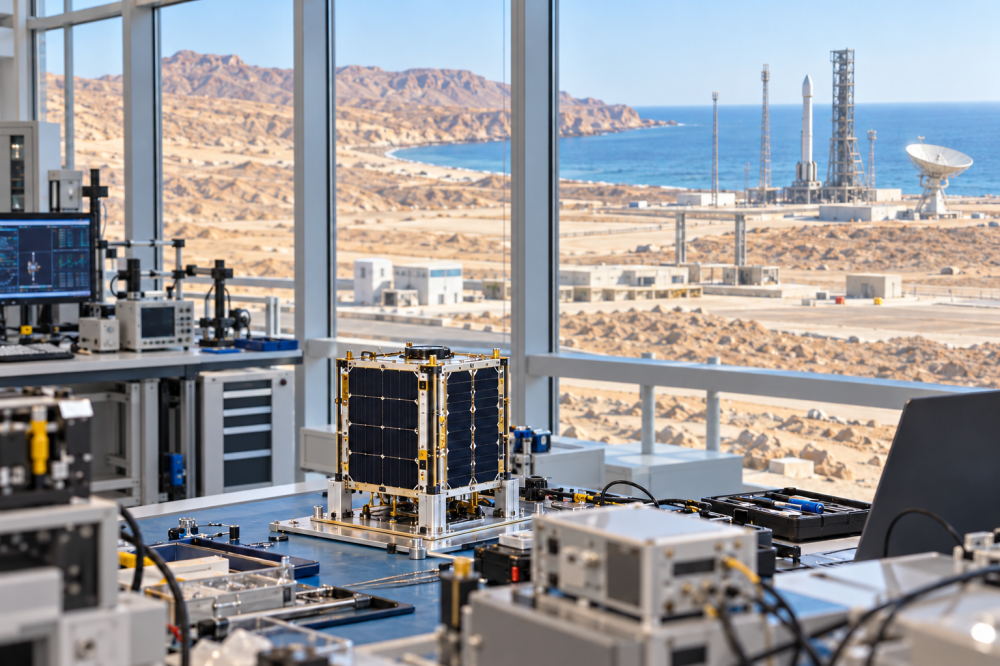
Launched in 2023 with a 10-year approach, the programme has already activated a significant part of its portfolio during its first three years. This includes spaceport and launch activities, ground-station initiatives, the national space data platform, CubeSat development, the Space Engineering Laboratory, space applications, the Oman Space Accelerator and capacity-building programmes.
These initiatives form part of the National Space Programme's 14 strategic projects — 11 core projects and three enabling or non-core projects — with eight initially identified as priority projects.
“The first three years were primarily about building the foundations — establishing the ecosystem, developing the regulatory environment, building national capabilities, attracting private-sector participation and initiating the priority projects,” Al Shoaili said.
“Today there are active companies, space infrastructure projects, satellite programmes, launch activities, space applications, capacity-building programmes and growing international partnerships. We are therefore moving into the next phase, which is about implementation, commercialisation and scaling up. I would say that we have successfully moved from planning the sector to actually building the sector.”
The long-term objective is to position Oman as a regional gateway for space applications and services, while using space technologies to support economic diversification, national security, capacity building and environmental sustainability.
Al Shoaili stressed that the programme's eight priority projects were not intended to start or mature simultaneously, but are being implemented progressively over the 10-year programme.
A major new strategic project is the development of Oman's national satellite communications capability, which he described as an important step towards establishing sovereign national space infrastructure.
The programme is also moving from individual initiatives towards an increasingly integrated national space ecosystem, with government, academia and the private sector playing complementary roles.
Etlaq Spaceport
Etlaq Spaceport in Al Duqm is emerging as a key example of the private-sector-led model Oman seeks to encourage.
“It is fundamentally a private-sector-led project, with the government providing the enabling environment, regulatory support and coordination required for such a strategic project to develop,” Al Shoaili said.
“Importantly, Etlaq has moved beyond being simply a concept.”
Oman conducted its first experimental suborbital launch from Al Duqm in December 2024. Subsequent launch campaigns have helped test operational procedures, infrastructure, safety arrangements and coordination among the various stakeholders.
The next objective is to progressively develop the capabilities needed to support more sophisticated launch activities and, ultimately, commercial orbital launches.
“For us, the value of Etlaq goes beyond launching rockets. A spaceport can create an entire ecosystem around it — engineering, logistics, testing, manufacturing, research, tourism, training and specialised services. That is where we see the longer-term economic opportunity for Oman,” he said.
Geographic advantage
Oman's geography is another potential competitive advantage in the space sector. Etlaq is located at approximately 18 degrees north latitude, providing access to a broad range of orbital inclinations and mission profiles.
“Being relatively close to the equator can also provide advantages for certain eastward launches because the Earth's rotation contributes additional velocity,” Al Shoaili said. “Depending on the target orbit and launch vehicle, that can translate into improved launch efficiency.”
However, he noted that latitude is only one part of Oman's advantage.
Al Duqm's long coastline and large open downrange areas over the Arabian Sea are important considerations for launch safety. Oman also offers logistics infrastructure, political stability and connectivity between Asia, Africa and the Middle East.
“When we talk about Oman as a potential regional launch hub, it is really the combination of geography, infrastructure, stability and the enabling business environment that creates the opportunity,” he said.
Growing private-sector participation
The response to the programme has been encouraging both domestically and internationally.
“When we started developing the programme, one of our objectives was not to build a government-dominated space sector, but rather to create an ecosystem in which private companies, universities, investors and international partners can participate. We are now seeing that ecosystem emerging,” Al Shoaili said.
International companies are increasingly exploring partnerships and opportunities in Oman, while Omani companies are expanding into areas including satellite communications, launch services, Earth observation, geospatial applications and other space technologies.
There is also growing interest among young Omanis, with students, engineers, researchers and entrepreneurs increasingly viewing space as a potential career and business field.
“For me, this growing participation is one of the most important indicators that the programme is working,” he said.
Investment indicators are also encouraging, as the programme's objective from the outset has been to develop a sustainable economic sector rather than space activities driven primarily by government expenditure.
By the end of 2025, Oman had around 25 companies active in the space sector, employing more than 400 people across the public and private sectors, while realised investment had grown by 270 per cent from 2023, according to Al Shoaili.
“What is equally important is the nature of these investments. We are seeing activity across launch infrastructure, satellite communications, Earth observation, geospatial services, research and applications,” he said.
“The next stage is therefore about increasing the scale of investment, attracting more international companies to establish operations in Oman, encouraging joint ventures and ensuring that investment results in technology transfer, local value creation and high-quality employment for Omanis.”
Building national talent
Capacity building remains one of the four pillars of Oman's National Space Policy, reflecting the programme's emphasis on developing human capital alongside infrastructure.
“Infrastructure alone does not create a sustainable space sector — people do,” Al Shoaili said.
The programme is developing specialised education and training opportunities and supporting initiatives such as the Space Engineering Laboratory and CubeSat programmes, which provide Omanis with practical experience in satellite engineering and space technologies.
Dedicated programmes are also being developed to build specialised national capabilities, including postgraduate education and practical training linked directly to the future needs of the sector.
On entrepreneurship, the National Space Programme has launched the Oman Space Accelerator Programme to support Omani start-ups in developing commercially viable space technologies and applications.
The objective, Al Shoaili said, is not simply to create start-ups, but to help them become sustainable companies capable of serving Oman, the region and potentially international markets.
“Going forward, we want to build a complete talent pipeline — from schools and universities, through specialised postgraduate education and technical training, to entrepreneurship, research and employment,” he said.
“Ultimately, our ambition is that as Oman's space sector grows, an increasing proportion of its technologies, applications, expertise and businesses will be developed and led by Omanis.”
Oman Observer is now on the WhatsApp channel. Click here